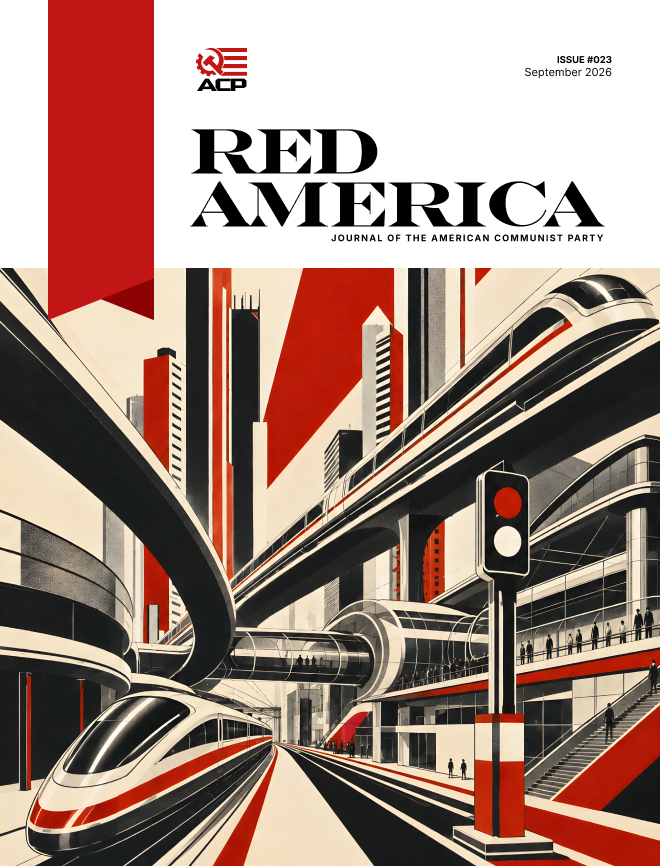
How Anti-Communism Was Manufactured
Abstract
This essay examines the historical construction of anti-communism in the United States, arguing that popular hostility toward communism is not a spontaneous response to its political or economic record but a manufactured ideology produced through narrative control, historical revisionism, political repression, and state violence. It traces this process from the suppression of class analysis in American education and labor history through the Red Scares, McCarthyism, Cold War censorship, and the cultivation of an anti-communist “compatible left,” showing how radical traditions and communist achievements were marginalized or stripped from popular historical memory. The essay further situates anti-communism within U.S. imperialism, examining sanctions, military intervention, regime change, and state-backed propaganda as mechanisms used to suppress socialist movements abroad while subsequently presenting the resulting instability and deprivation as evidence of socialism’s failure. Against conventional Cold War comparisons, it argues for evaluating capitalism and socialism within their historical and class contexts, emphasizing the gains socialist states achieved for workers, women, racial minorities, and formerly impoverished populations. The essay concludes that anti-communism ultimately serves material class interests: obscuring histories of successful working-class struggle and preventing workers from recognizing Marxism-Leninism as a viable challenge to capitalist power. Recovering an honest history of class struggle, it argues, is therefore essential to rebuilding working-class consciousness and understanding why political and economic elites have historically regarded communism as a threat.
Keywords
Anti-Communism, Marxism-Leninism, Historical Revisionism, Class Struggle, U.S. Imperialism